

Applying for a UAE e-Visa for GCC residents should be a smooth and efficient process, yet many applicants face unnecessary delays or rejections due to avoidable mistakes. As a trusted authority in digital visa processing, SmartGo E-visa helps GCC residents and dependents avoid common application mistakes and ensures a smooth, reliable approval experience.
By following the guidance below, travelers from Saudi Arabia, Oman, Kuwait, Qatar, and Bahrain can experience a seamless, stress-free application process.
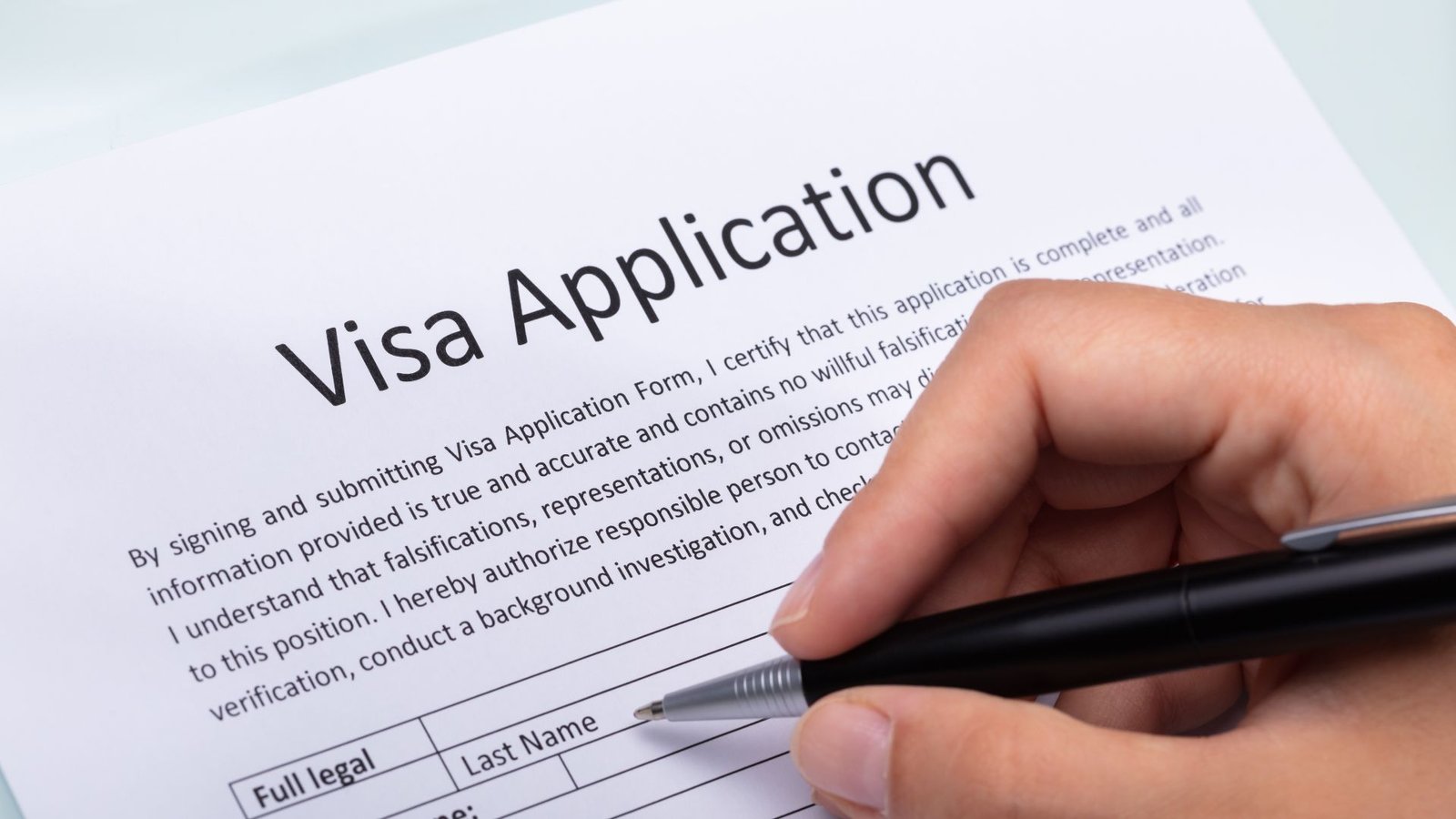
What Are the UAE E-Visa Requirements for GCC Residents?
Before initiating an E-Visa application, applicants often overlook essential eligibility criteria. This leads to incomplete submissions or misunderstandings related to document requirements.
Ensuring Eligibility as a GCC Resident or Dependent
One of the most common issues is applicants applying without meeting UAE’s specific requirements. The UAE E-Visa for GCC Residents is only available to:
- GCC residents holding valid residency permits
- Dependents of GCC residents, including spouses and children
- Professionals working in approved occupations
Anyone who does not meet these requirements is automatically rejected. Applicants must confirm their residency status, dependent category, and occupation eligibility before starting the application.
‘‘To understand the full process before applying, you may also explore our detailed guide on the UAE Visit Visa for GCC Residents.’’
Top Mistakes in GCC E-Visa Applications
Many GCC residents and dependents face delays or rejections in their E-Visa applications due to small but significant oversights. Understanding these common mistakes is essential for ensuring a smooth approval process and avoiding unnecessary complications. Below are the most frequent errors applicants make.
1. Providing Incorrect or Mismatched Personal Information
Applicants often make errors by providing details that do not align with the official documents. Even minor discrepancies can introduce complications.
Common mistakes include:
- Misspelled names: Even a single incorrect letter can cause the system to reject or delay your application.
- Incorrect passport numbers: Entering the wrong number prevents immigration authorities from verifying your identity.
- Mismatched dates of birth: Dates must match exactly across all documents to avoid inconsistencies.
- Inconsistent marital status: Any difference between your application and your official records can raise verification issues.
All information must precisely match the applicant’s passport and residency documents. To avoid delays, we recommend reviewing every field meticulously before submission.
2. Uploading Incorrect or Poor-Quality Documents
Another major source of application failures is unclear or incomplete document uploads. Immigration authorities use digital verification, meaning poor-quality files may be unreadable.
Typical document-related mistakes include:
- Blurry passport scans
- Cropped residency pages
- Photos with shadows or filters
- Expired passports or residency cards
- Wrong file formats
To prevent these issues, applicants should use high-resolution scans, ensure good lighting, and verify that all document edges are visible.
3. Not Meeting Passport Validity Requirements
Many travelers overlook passport validity rules, which leads to unnecessary delays or direct rejection. GCC E-Visa applications require applicants to hold a passport valid for at least 6 months and a residency permit valid for a minimum of 3 months.
Submitting an application with an expiring passport or residency card almost always results in rejection. Renewing these documents in advance ensures a smooth and successful approval process.
4. Incorrect Selection of Visa Type Category
Selecting the wrong visa type is a frequent mistake that leads to delays or refusals in GCC E-Visa applications. Many applicants accidentally apply for a tourist visa when their purpose of travel is business-related, choose an incorrect nationality category, or select a visa type that does not align with their occupation.
To avoid such errors, it is essential to review the available visa options carefully or seek assistance from a licensed visa service provider who can guide you in choosing the correct category.
‘‘Applicants can review the different categories in our detailed list of Types of UAE Visas for GCC Residents.’’
5. Ignoring Guidelines for Passport Photos
Many applications fail because the submitted passport photo does not meet official guidelines. A valid photo must be:
- Taken against a white background
- Recent and high quality
- Showing a full face, without glasses or head coverings (unless religious)
- Free from filters or edits
Improper photos lead to immediate rejection, so applicants should always follow ICAO-compliant photo standards.
6. Submitting Applications with Incomplete Travel Details
Authorities often require detailed travel information, including expected arrival dates, accommodation details, and the purpose of travel. When applicants submit forms with missing, vague, or incomplete itinerary information, their applications are more likely to be delayed or flagged for further verification.
Providing clear travel dates, confirmed accommodation details, and accurate contact information in the destination country helps ensure a faster review process and significantly increases the chances of approval.

7. Not Reviewing the Application Before Submission
Many applicants rush through the process and submit their forms without taking time to review the details. Even small errors, such as a wrong digit or a missing document, can lead to delays or complete rejection. A careful final review helps prevent these issues.
| What to Check | Why It Matters |
|---|---|
| Double-check all fields | Prevents minor errors that can lead to rejection. |
| Verify document uploads | Ensures documents are clear, complete, and readable. |
| Ensure passport numbers and names are accurate | Helps authorities verify your identity without issues. |
| Reconfirm email and phone details | Guarantees you receive important updates or requests. |
A final review can save considerable time and prevent unnecessary delays.
8. Using Unverified or Unauthorized Visa Portals
One of the most critical issues is relying on unlicensed portals or fraudulent visa agencies. These websites often:
- Submit applications incorrectly
- Provide outdated information
- Charge hidden fees
- Fail to deliver the approved visa
To avoid scams, applicants should always use official or government-authorized visa service providers.
Note: SmartGo E-visa is officially registered under Sharjah Media City (Shams), a UAE government authority. This ensures applicants benefit from secure processing, transparent fees, and verified submission directly to immigration channels.
9. Delays Due to Payment Errors
Payment failures are a common cause of delays in GCC E-Visa applications. These issues often arise from incorrect card details, declined international transactions, expired debit or credit cards, or slow verification by payment gateways.
To avoid such setbacks, applicants should ensure their card supports international payments, is valid, and has sufficient balance before initiating the transaction.
10. Failure to Track Application Updates
Some applicants assume that once the form is submitted, no further action is required, but immigration authorities may request additional documents, clarifications, updated passport scans, or replacements for rejected photos.
Failing to respond to these requests promptly can lead to cancellations or significant delays. To avoid this, applicants should regularly check their application status and enable email or SMS notifications to stay updated on any required actions.
How to Avoid These Common Mistakes
To ensure a smooth, error-free, and successful GCC E-Visa application, follow these essential steps that help reduce delays, prevent rejections, and improve your overall approval chances:
| Step | Key Point |
|---|---|
| 1. Confirm Eligibility | Make sure you meet residency, occupation, and document requirements before applying. |
| 2. Prepare All Documents | Use high-resolution scans to avoid unclear or unreadable files. |
| 3. Check Passport & Residency Validity | Both must meet the minimum validity period to avoid immediate rejection. |
| 4. Ensure Accurate Information | All personal details must match your passport and residency documents exactly. |
| 5. Use Licensed Visa Providers | Authorized platforms like SmartGo E-visa minimize errors and ensure compliance with the latest immigration requirements. |
| 6. Review Application Carefully | A final check helps you catch small mistakes that can cause delays. |
| 7. Monitor Application Updates | Respond quickly to any additional document requests to prevent cancellations. |

Working With a Trusted UAE E-Visa Provider
Using a licensed and reliable portal such as SmartGo E-visa ensures applicants receive professional guidance at every step, minimizing the risk of delays or rejections. By offering expert verification, document checking, and real-time tracking, licensed services help applicants avoid common pitfalls and secure quick approvals.
When travelers choose authorized, transparent, and experienced providers, they benefit from:
- Faster processing times
- Guaranteed accuracy
- Secure payment systems
- Clear communication throughout the process
Conclusion
Avoiding common mistakes in UAE E-Visa applications is essential for securing timely approval and ensuring hassle-free travel. By understanding requirements, preparing documents properly, and using authorized visa service providers, applicants can significantly enhance their chances of successful processing. Careful attention to detail and following best practices help ensure a smooth, efficient, and stress-free experience.